

Ganoderma Rock
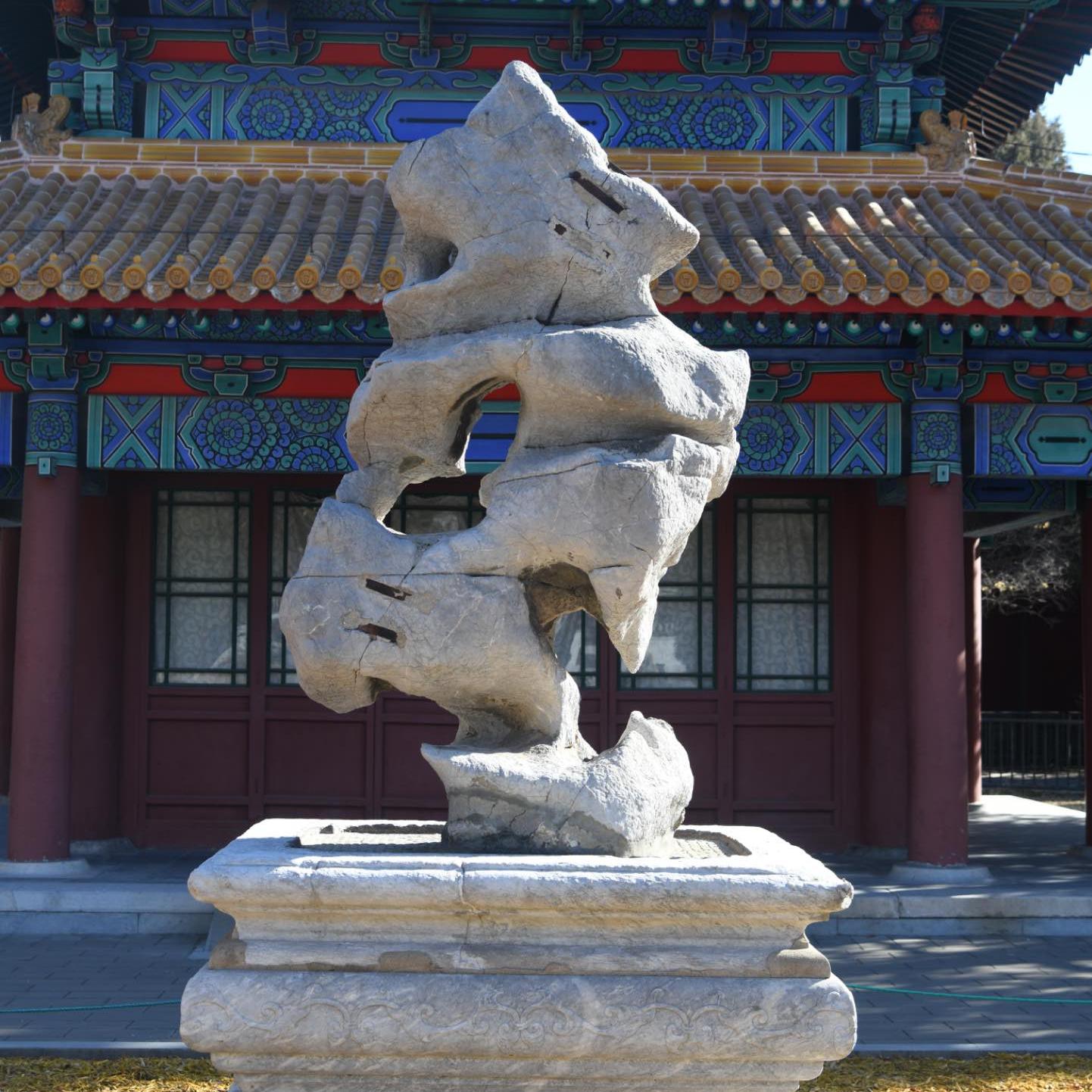
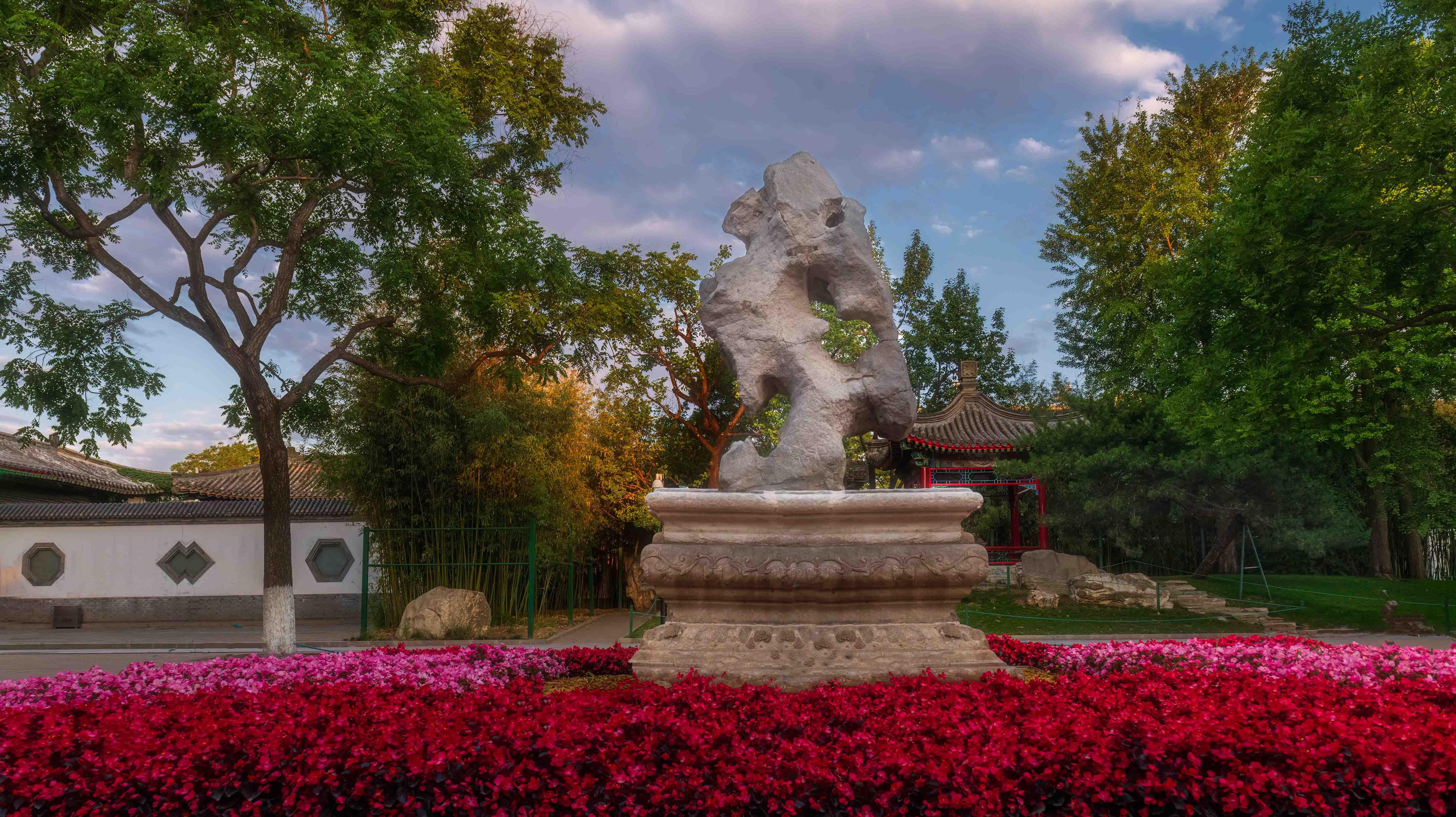
As one of China's famous garden stones and a relic from the Old Summer Palace, its shape resembles the ganoderma lucidum. It was named qianzhi 搴芝, meaning plucking ganoderma lucidum, and inscribed by Emperor Qianlong, Qing Dynasty, and was moved to the Park in 1914.
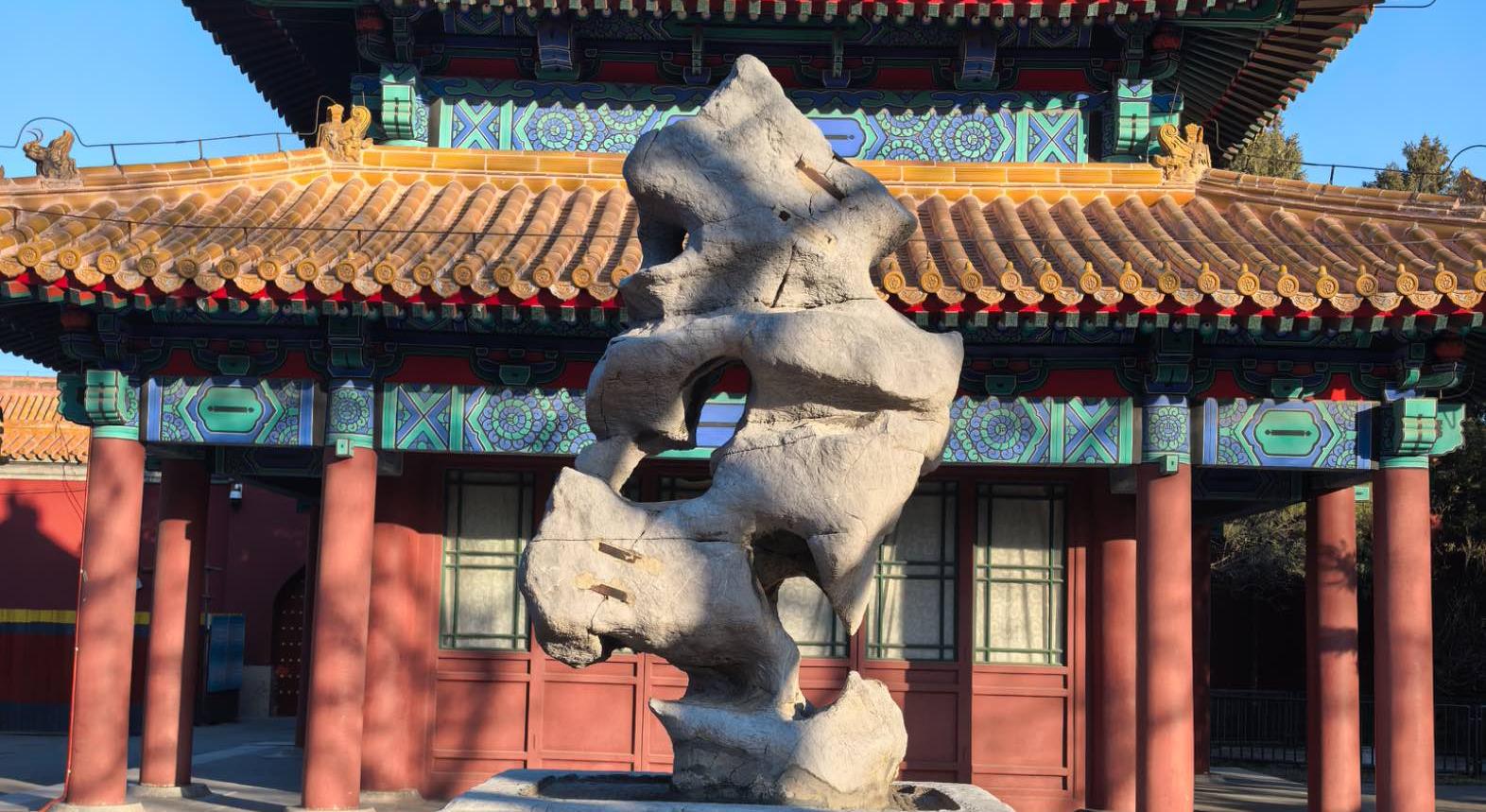
Drag left and right to compare old and new photos

Scenic Spot Beauty Photos
WeChat Official Account

Official Weibo account

Official video account

Official Douyin account

Friend Links:
Park address: No. 4 Zhonghua Road, Dongcheng District, Beijing (west of Tiananmen)
Fax number: 010-66052525
Consultation hotline: 010-66055431, 15600995431
Copyright © 2026 Beijing Zhongshan Park. All Rights Reserved.