
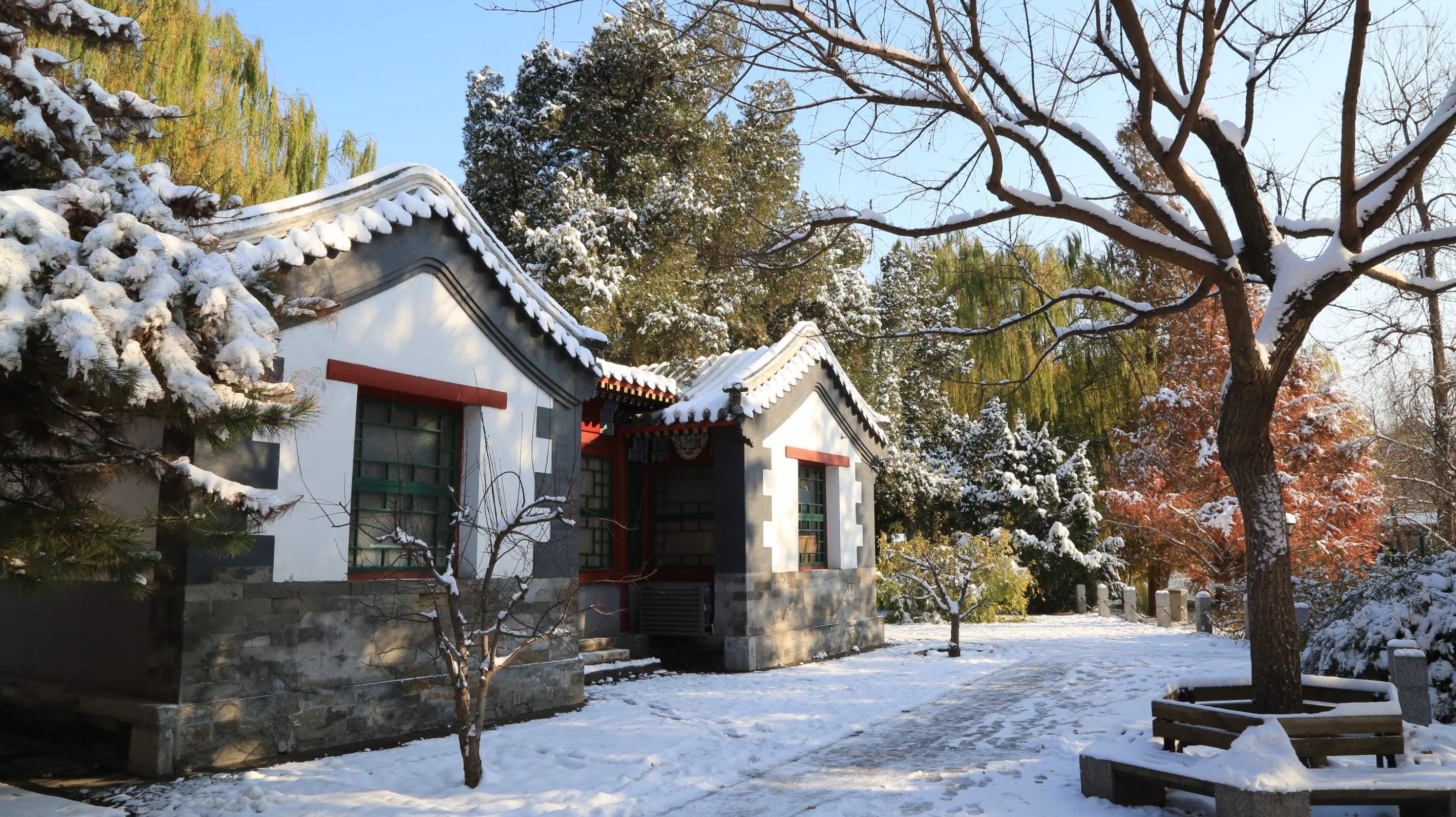
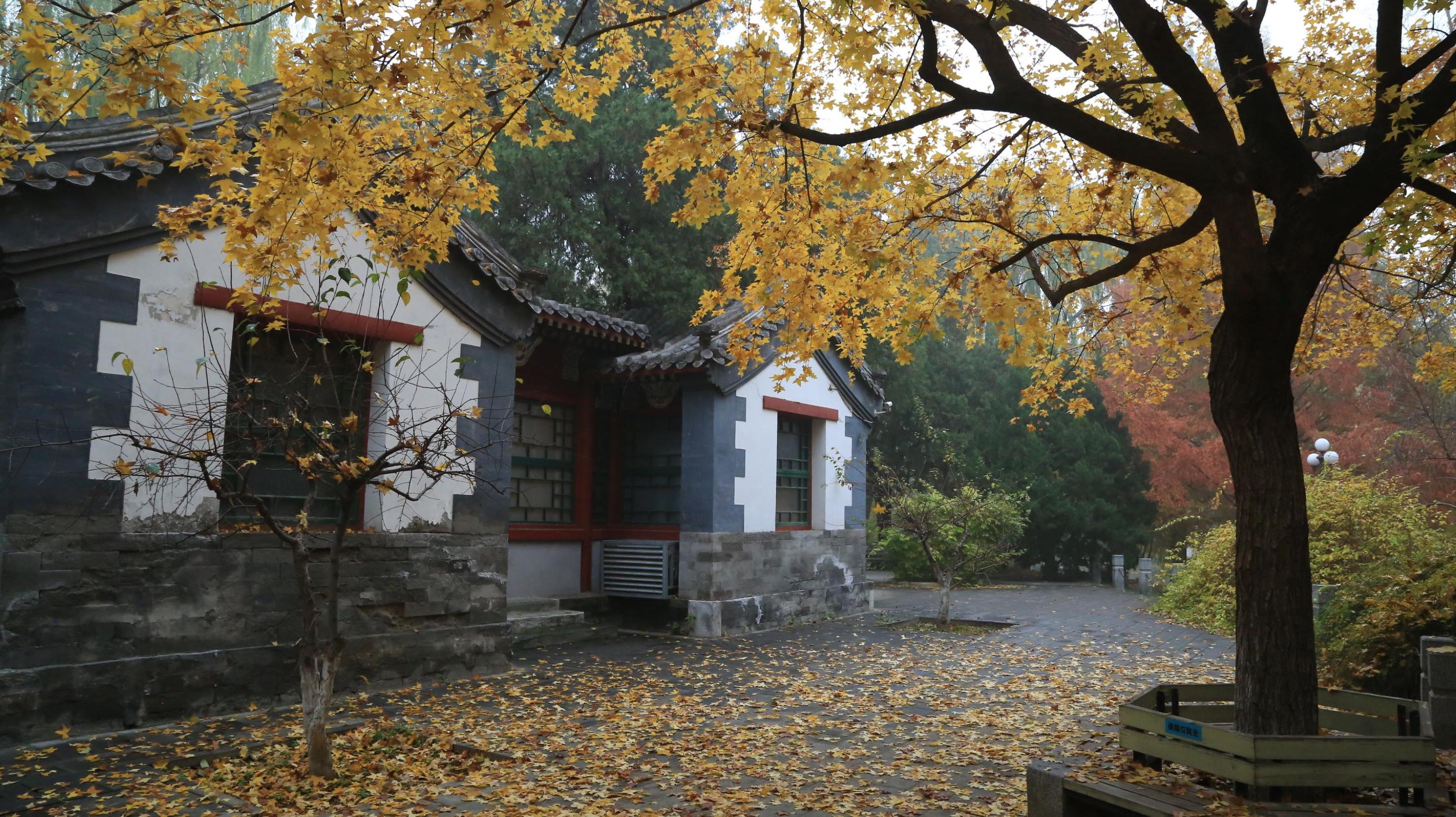
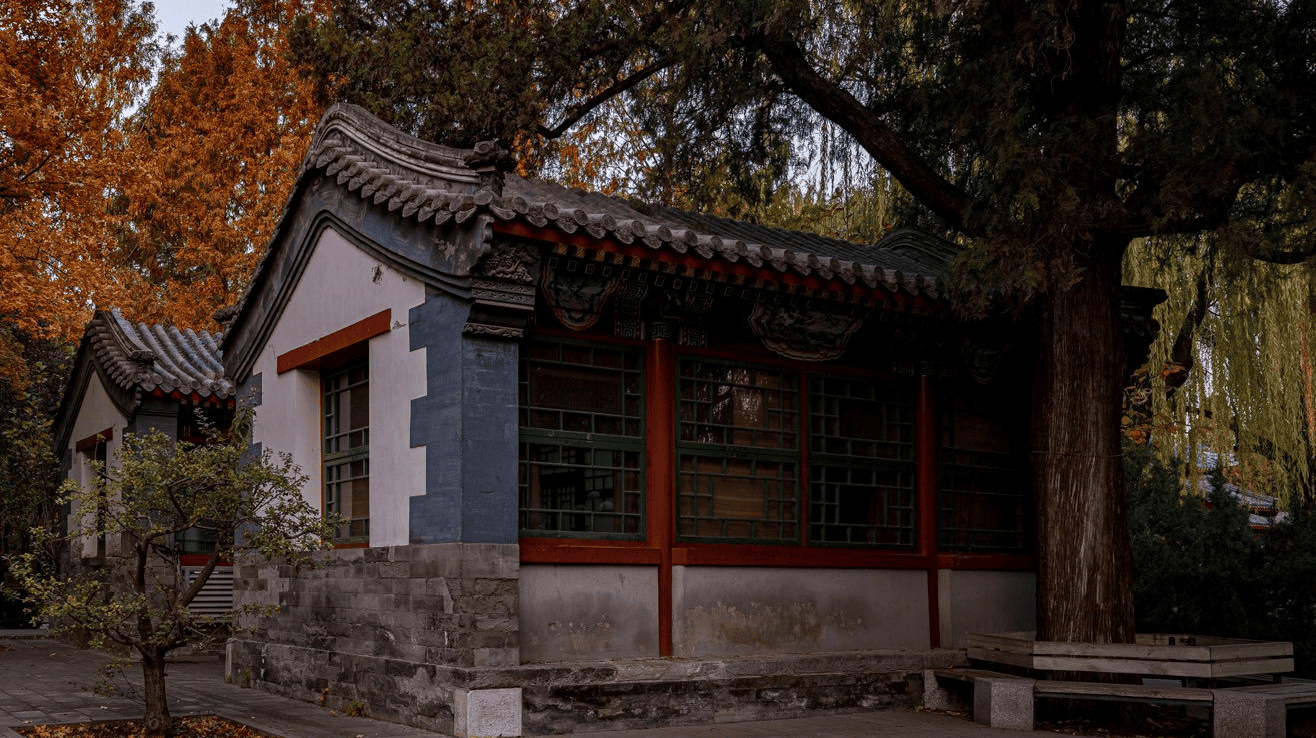
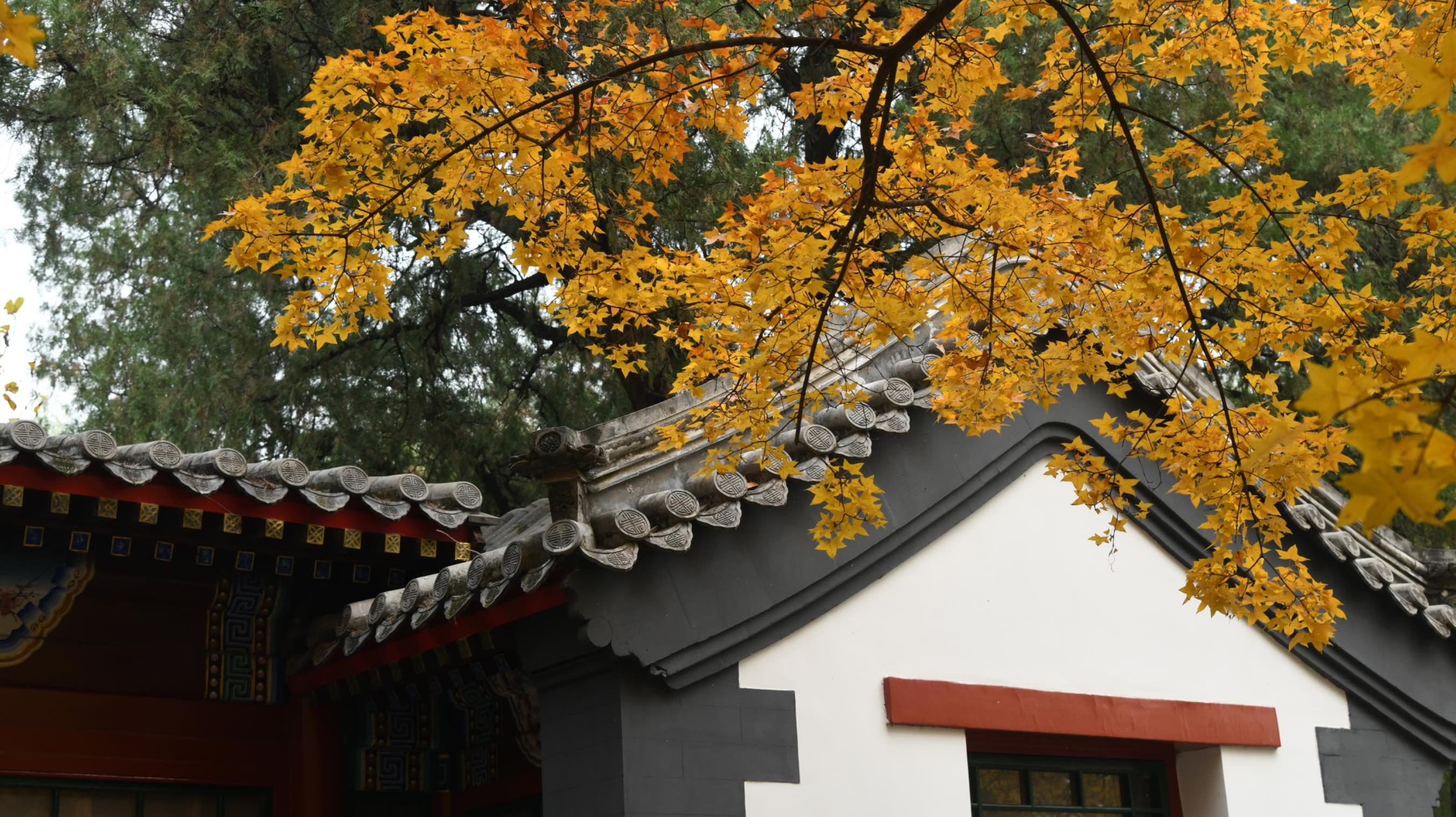
Four Delights Pavilion
It was originally the Temple of Guan Yu 关帝庙, from the Sheji Altar period. Renovated in 1919, three bays were added connecting to the rear eaves, forming an I-shaped plan. Its name was inspired by the delightful features of all four seasons.
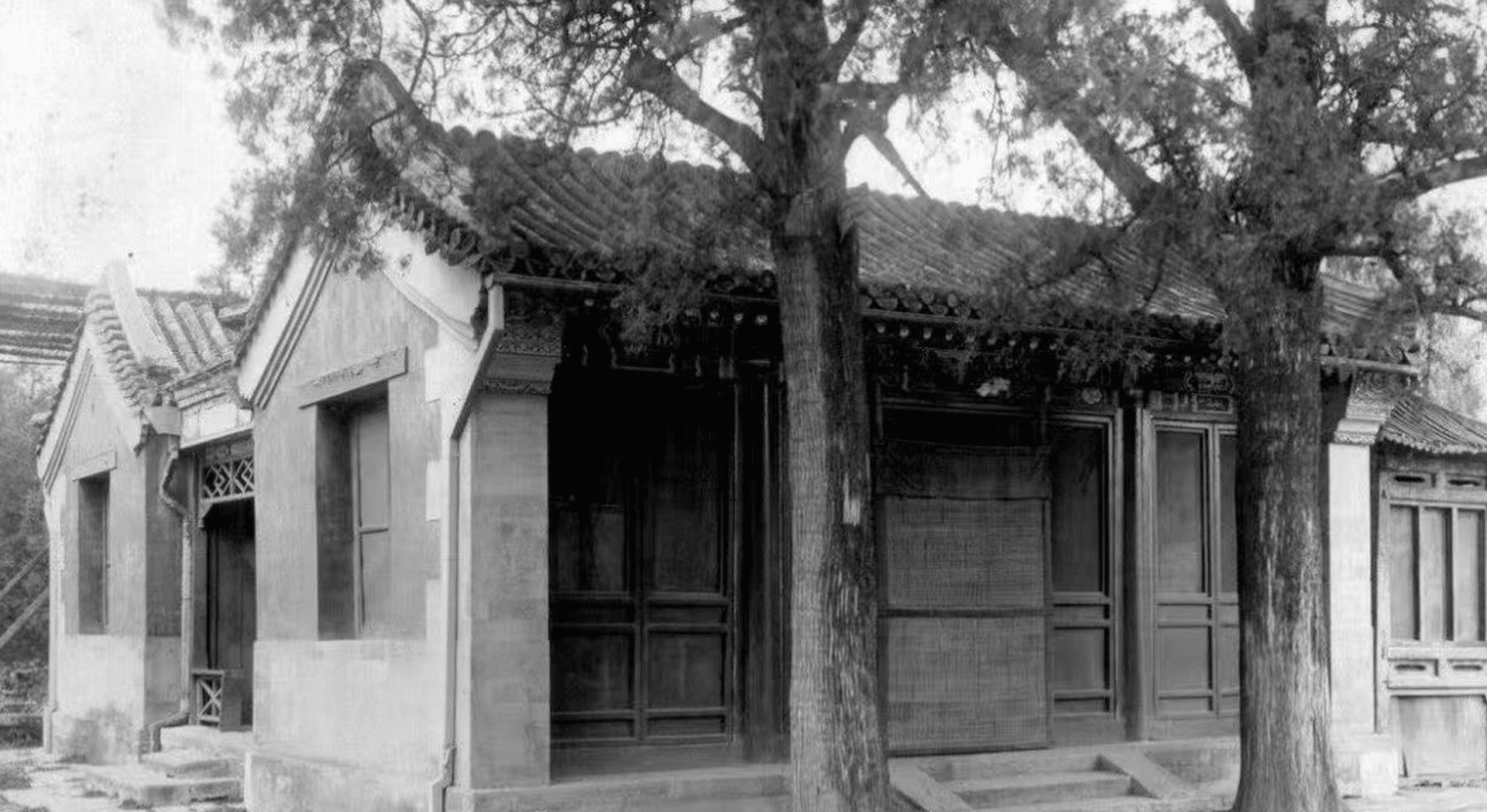
Drag left and right to compare old and new photos

Scenic Spot Beauty Photos
WeChat Official Account

Official Weibo account

Official video account
Official Douyin account
Friend Links:
Park address: No. 4 Zhonghua Road, Dongcheng District, Beijing (west of Tiananmen)
Fax number: 010-66052525
Consultation hotline: 010-66055431, 15600995431
Copyright © 2026 Beijing Zhongshan Park. All Rights Reserved.